
By Justin Query
February 5, 2026
Diesel engines are known for their durability and efficiency, but like any mechanical system, they are not immune to problems. Many drivers turn to preventative maintenance strategies specifically to avoid unexpected engine repairs, emphasizing the value of early detection. An informed approach to preventative maintenance can substantially reduce the incidence of many common diesel engine issues. Keep reading to explore the most frequent diesel engine problems and receive valuable tips on how to avoid them, along with how to minimize the need for future repairs.
Fuel Contamination
Fuel contamination is one of the leading causes of diesel engine repairs, commonly arising from poor fuel quality, water intrusion, microbial growth, and particulate matter. Poor diesel fuel quality is a common problem because diesel engines require clean, high-quality fuel to operate efficiently. Contaminated fuel is one of the most frequent contributors to unnecessary diesel truck engine repairs, especially when it leads to injector damage or clogged components. Water contamination can occur during transportation, storage, or even from condensation within the fuel tank, leading to corrosion and microbial growth. Preventing fuel contamination requires vigilance and adherence to best practices throughout the fuel supply chain to avoid serious repairs caused by neglected fuel systems.
Microbial growth in diesel fuel is often referred to as "diesel bug" and occurs when water enters the fuel system, providing a breeding ground for bacteria and fungi. This microbial infestation leads to clogged filters, corroded fuel lines, and damage to the fuel injection system. Ensuring that fuel tanks are kept clean and free of moisture is essential to prevent these microorganisms from proliferating. Many vehicle owners do not realize how often microbial contamination leads directly to avoidable diesel truck engine repairs, making regular inspections and moisture control crucial. Regular inspections and the use of biocides can help mitigate the risks associated with microbial growth in diesel fuel. By maintaining proper fuel storage and handling procedures, the impact of microbial contamination on diesel engines can be minimized.
Particulate contamination in diesel fuel, often resulting from rust, dirt, or other foreign materials entering the fuel system, can cause significant wear and tear to injectors and other engine components. Having effective fuel filtration systems is crucial in capturing these particulates before they reach sensitive engine parts. According to Progressive, although diesel fuel and diesel vehicles typically cost more, they usually surpass gas vehicles in mileage performance. This increased efficiency is beneficial but underscores the importance of maintaining a clean and efficient fuel delivery system so that particulate buildup does not turn into costly engine repairs. Regularly replacing fuel filters and conducting fuel inspections can significantly reduce the likelihood of particulate-related engine issues.
Cooling System Failures
Cooling system failures are a common issue affecting diesel engines, often resulting in overheating and significant engine damage. Leaking coolant is a frequent cause of such failures and can occur due to cracked hoses, damaged radiators, or faulty gaskets. Coolant leaks may lead to reduced cooling capability and ultimately result in the engine overheating. When overheating occurs, it is one of the quickest ways to require major diesel truck engine repairs, particularly if the engine continues running under extreme heat. Regularly inspecting the cooling system for leaks and addressing them promptly can prevent overheating incidents. Maintaining the correct coolant levels and using the appropriate coolant type for specific diesel engines is also essential for optimal performance and for reducing the risk of costly repairs.
A blocked radiator can severely compromise the engine's ability to cool itself, leading to heat buildup and potential engine failure. Debris, dirt, and grime buildup can restrict airflow through the radiator, reducing its cooling efficiency. Routine cleaning and inspection of the radiator can help prevent blockages and ensure effective cooling system operation. Thermostat malfunctions, where the thermostat fails to open or close correctly, can also disrupt the cooling system's effectiveness. Catching thermostat issues early through regular inspections can mitigate the risk of overheating problems and the expensive diesel truck engine repairs that often follow prolonged heat exposure.
Pump failure within the cooling system can prevent proper circulation of coolant, resulting in overheating and potential engine damage. Water pumps are responsible for maintaining adequate coolant flow through the engine's cooling system, and any failure can have severe consequences. By regularly inspecting the water pump and replacing it at recommended intervals, serious issues can be averted. Regular cooling system inspections, including checking hoses, clamps, and connections, can help identify potential threats before they escalate. Through proactive cooling system maintenance, the risk of engine overheating and related repairs can be significantly reduced.
Turbocharger Issues
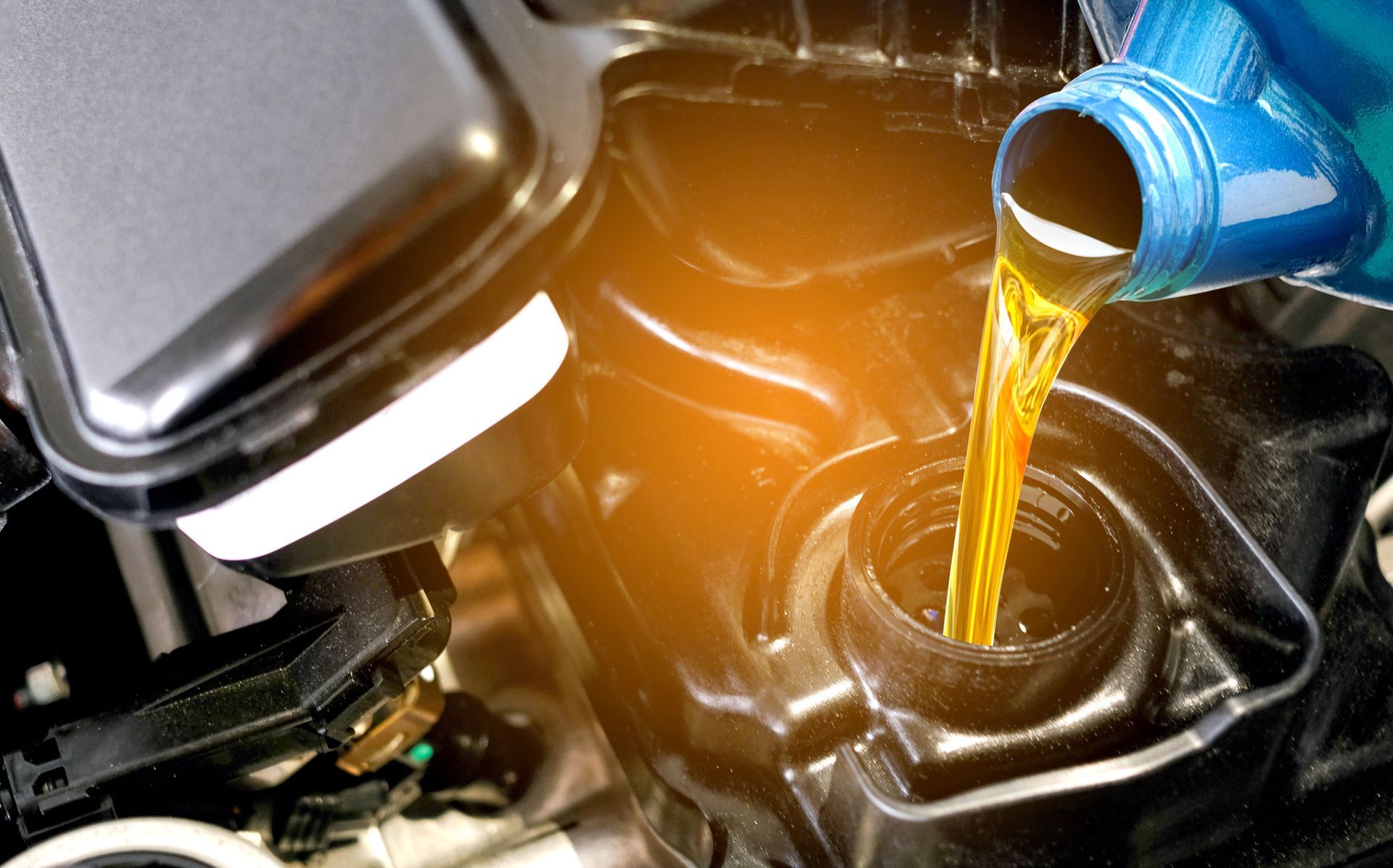
Turbocharger issues can greatly impact the performance and efficiency of a diesel engine, often resulting in reduced power and increased fuel consumption. Oil contamination is a primary cause of turbocharger problems, as dirty or incorrect oil can damage turbocharger bearings and components. Ensuring regular oil changes and using the proper grade of oil as recommended by the manufacturer can prevent oil-related turbocharger issues. Many turbocharger failures lead to sudden and expensive engine repairs, especially if neglected over long periods. Exhaust leaks can disrupt turbocharger performance by affecting exhaust pressure and airflow characteristics. Addressing exhaust leaks promptly can mitigate the impact on turbocharger efficiency and engine performance.
Damage to compressor wheels can occur from foreign objects entering the turbocharger, leading to reduced efficiency and possible failure. Regular inspections and maintenance of air intake systems can help prevent debris from entering the turbocharger. Boost pressure problems, such as excessive or insufficient boost, can also affect engine performance. These issues often arise from incorrect installation, faulty sensors, or actuator malfunctions, requiring thorough diagnostics to resolve. Regularly monitoring boost pressure and conducting turbocharger maintenance can help prevent significant performance degradation and reduce the chances of unexpected diesel truck engine repairs.
The importance of turbocharger maintenance cannot be overstated, as it directly influences engine power and efficiency. Turbochargers require precise lubrication and optimal conditions to function effectively, making regular maintenance crucial. Turbocharger maintenance tips include keeping the engine oil clean, conducting routine inspections, and addressing warning signs promptly. By adhering to manufacturer-recommended maintenance procedures and conducting regular system checks, turbocharger longevity and performance can be preserved. Taking these precautions can ensure that the turbocharger and engine continue to operate at peak efficiency, reducing the risk of costly repairs and minimizing the need for future repairs.
Electrical System Problems
Electrical system problems in diesel engines can lead to a variety of issues, from starting difficulties to poor engine performance. Battery failures are common in diesel engines due to higher electrical demands and varied operating conditions. Regular battery maintenance and inspections can help prevent failures, especially in extreme weather conditions. Ensuring proper charging system operation and replacing weak batteries promptly can mitigate starting issues and reduce the likelihood of sudden diesel truck engine repairs related to electrical failures. Wiring harness issues can cause intermittent electrical faults, leading to erratic engine performance and diagnostic challenges.
Defective wiring in diesel engines may be due to wear and tear, environmental factors, or rodent damage, necessitating regular inspections. Sensor malfunctions can affect critical engine control functions, such as fuel injection timing and air-fuel mixture adjustments. Malfunctioning sensors may result in rough idling, increased emissions, and reduced performance. Regular diagnostics and sensor checks can prevent these issues from escalating and compromising engine functionality. Prompt repair or replacement of faulty sensors is vital for maintaining optimal engine performance and for avoiding preventable repairs.
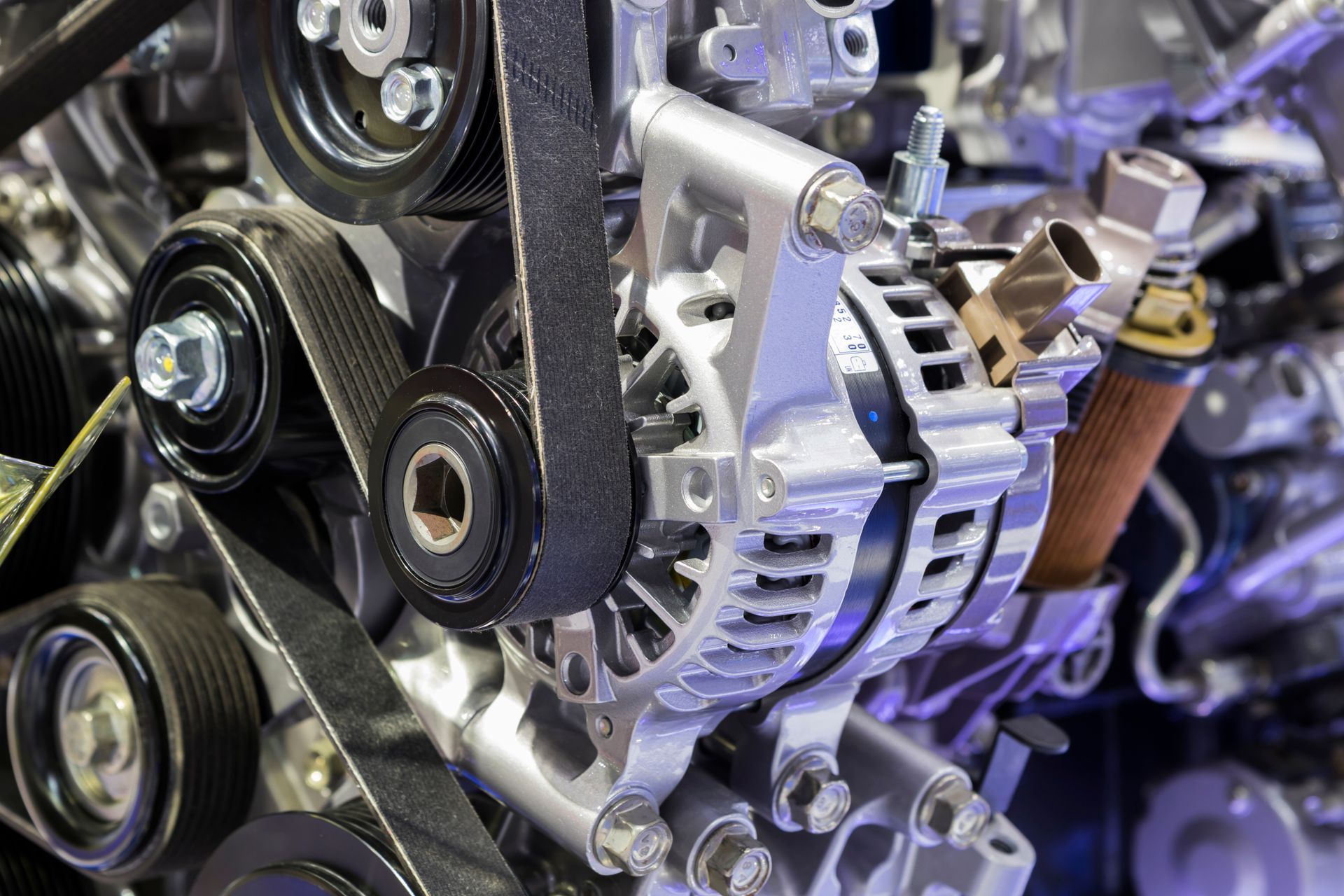
Alternator failures can disrupt electrical system operation, leading to battery drain and subsequent starting problems. Diesel engines rely heavily on properly functioning alternators to supply consistent electrical power. Regular inspections and alternator testing can help identify potential failures before they impact engine operation. Preventive electrical system checks should include thorough inspections of connections, terminals, and wiring to ensure they are secure and free from corrosion. By regularly maintaining and inspecting electrical components, the risk of unexpected electrical failures and related engine issues can be significantly reduced, ultimately helping owners avoid unnecessary repairs.
Prevention is always better than cure, and when it comes to diesel engines, understanding and mitigating common causes of repairs can save time and money in the long run. A proactive approach to vehicle care can help maintain the benefits of better mileage, as highlighted by Progressive, offering long-term cost savings. Ultimately, a well-maintained diesel engine can deliver reliable performance and longevity while greatly reducing the need for unexpected diesel truck engine repairs. Call Strokers Plus today to prevent issues and get peace of mind as a responsible vehicle owner and operator.