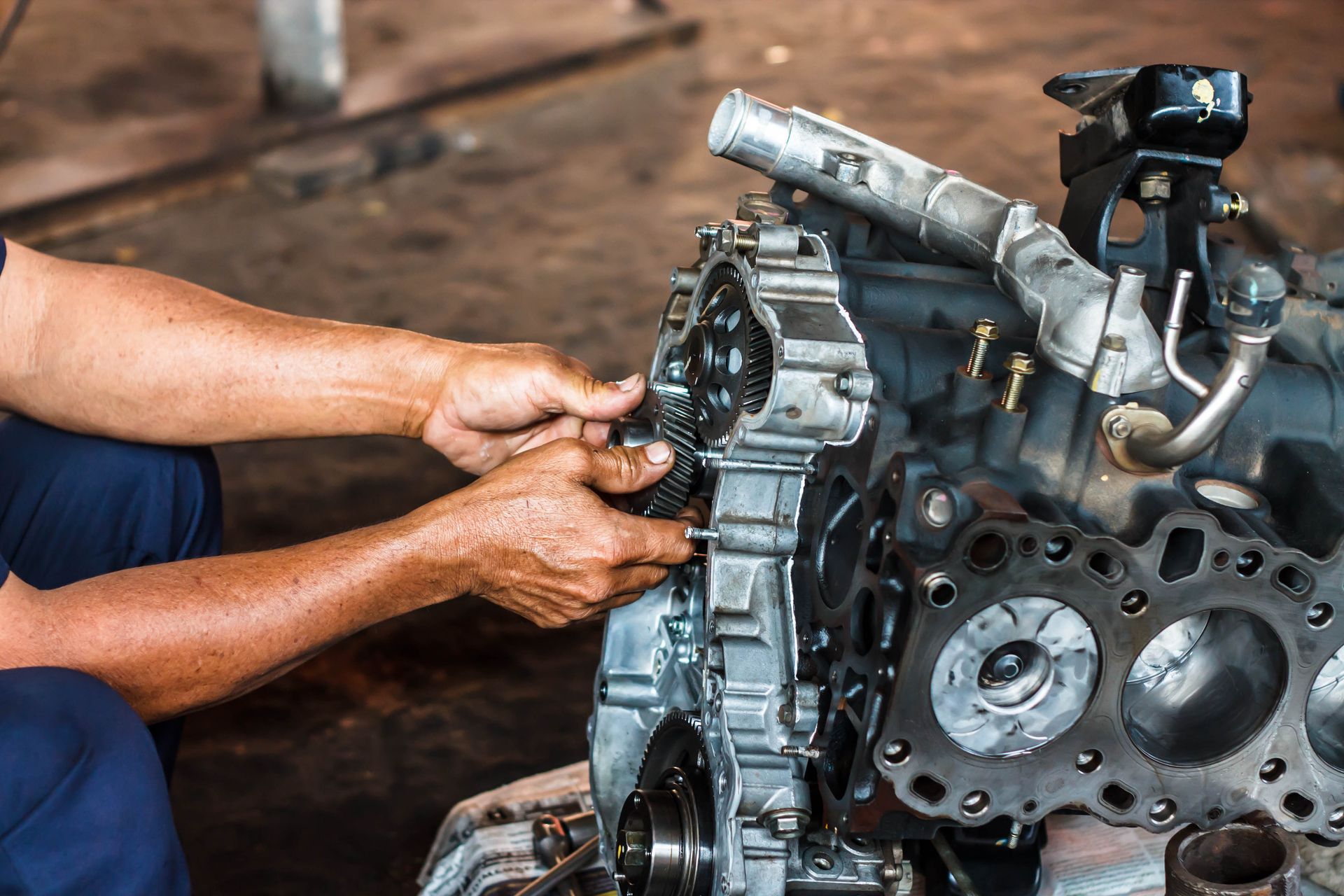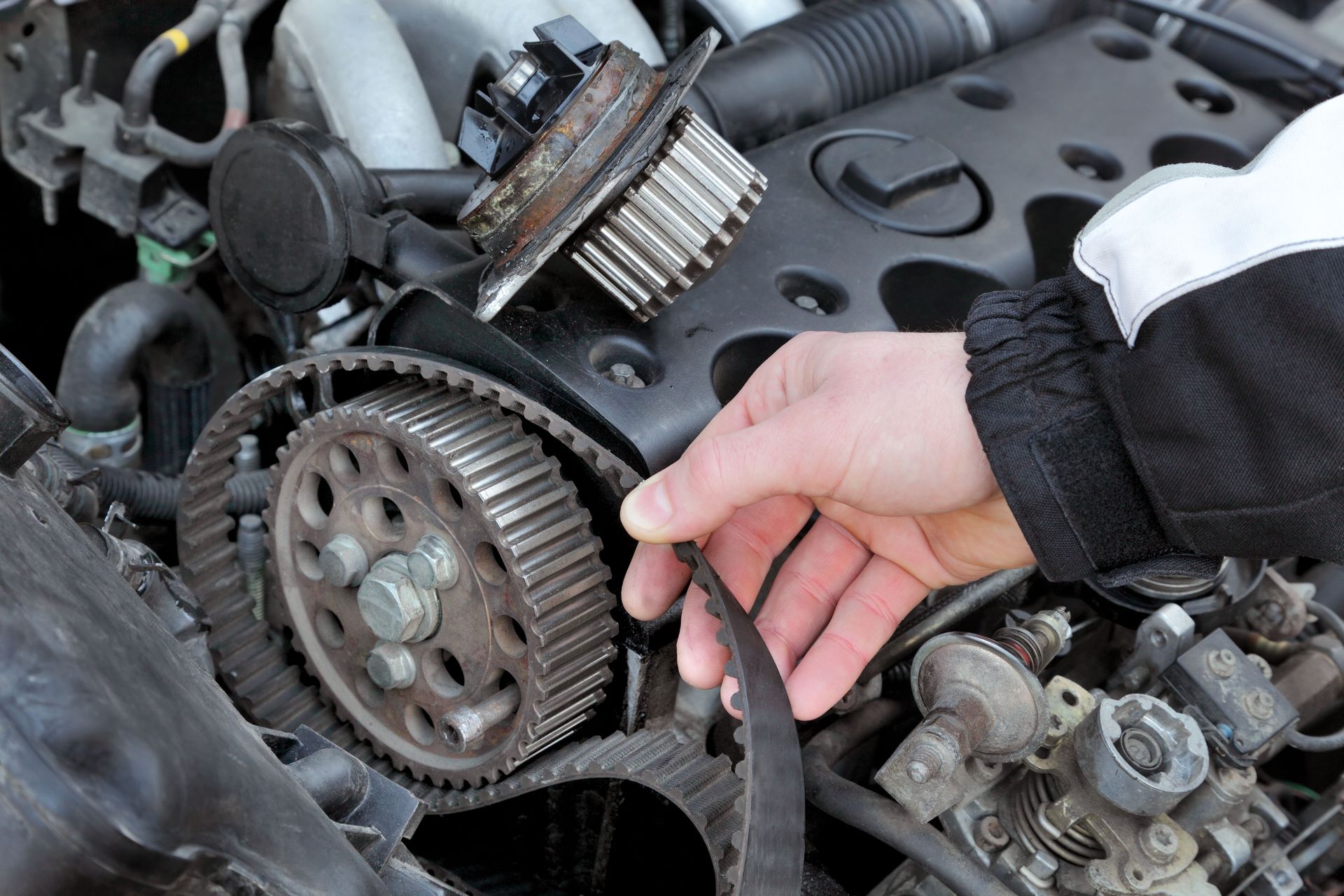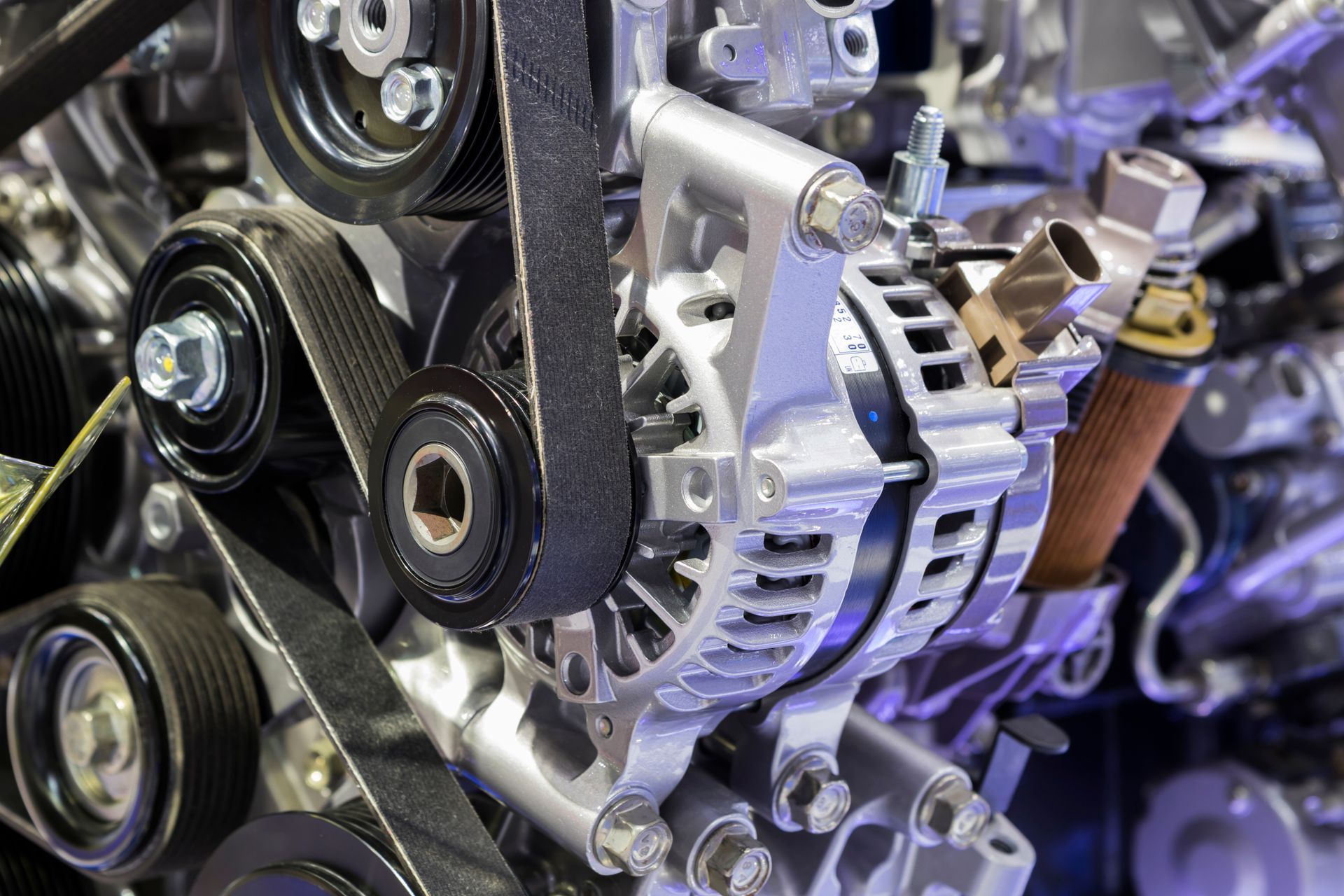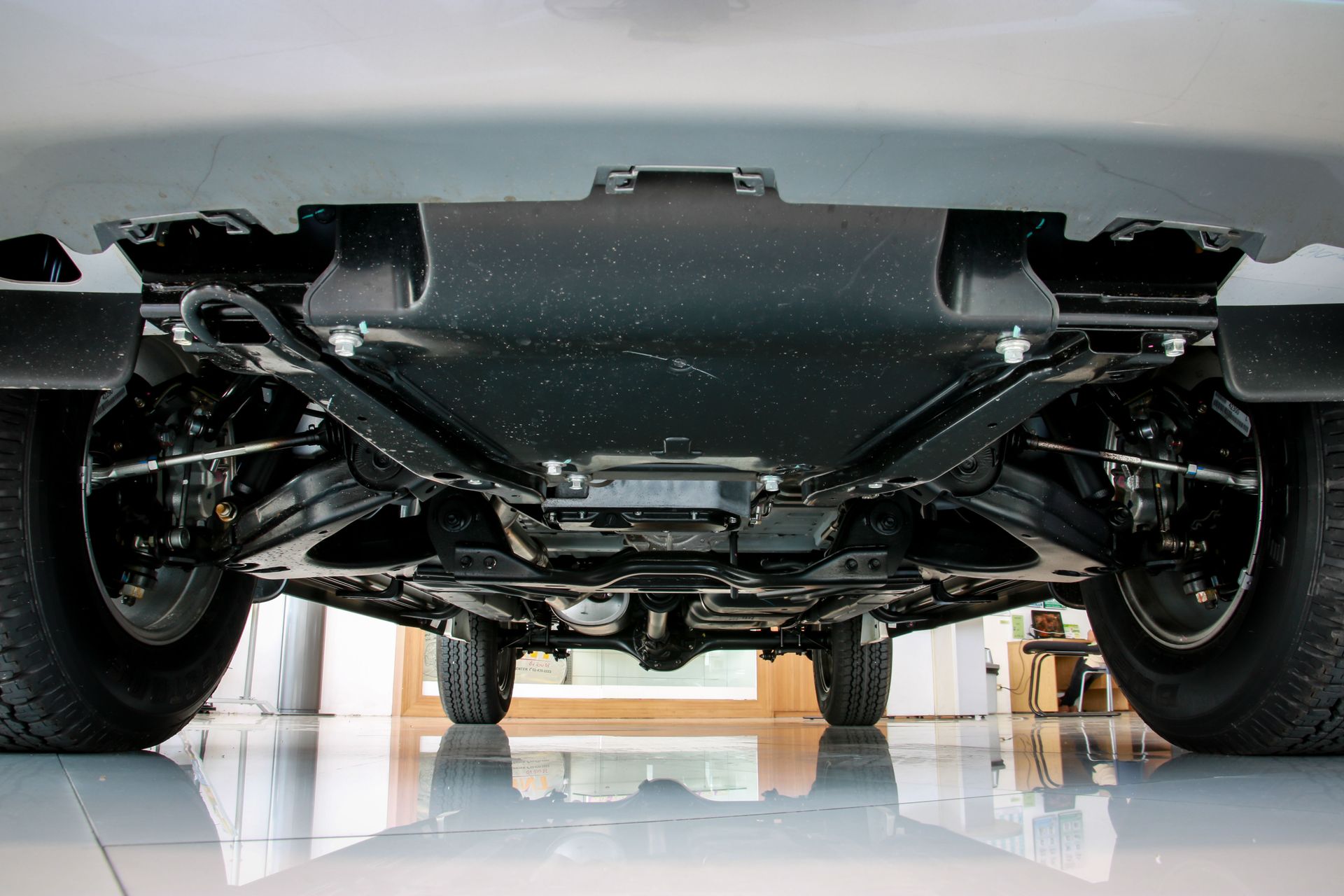

The heavy-duty engineering behind a compression-ignition powertrain is celebrated worldwide for its rugged durability, immense towing capacity, and exceptional thermal efficiency. Whether utilized in a commercial work truck, an off-road agricultural vehicle, or a personal long-haul cruiser, these power plants are built to withstand far more mechanical stress than their standard gasoline counterparts. However, this legendary resilience should never be mistaken for invulnerability. The internal environment of these systems operates under extreme pressures and intense temperatures, meaning that minor maintenance omissions can quickly spiral into catastrophic internal component failures. To achieve the true operational longevity these machines are capable of, owners must adopt a disciplined, proactive approach to preventative maintenance. Neglecting daily upkeep or ignoring early warning signs not only compromises immediate performance but also severely cuts down the useful lifespan of the entire vehicle. By understanding the unique mechanical needs of your powertrain and establishing a strict care routine, you can protect your investment and ensure dependable performance for decades.
Prioritizing Routine Oil and Filter Changes
The internal lubrication system is the absolute lifeblood of a heavy-duty powertrain, serving to minimize destructive friction and carry intense heat away from moving components. Because these systems operate under high compression, the motor oil is naturally subjected to severe soot contamination and chemical breakdown over time. Allowing dirty, depleted oil to circulate through the block introduces abrasive particulates that can score cylinder walls and rapidly wear down crankshaft bearings. Regularly scheduling a professional evaluation with a certified diesel mechanic ensures that the specific viscosity requirements and soot-holding capacities of your oil are precisely maintained. Replacing the oil and oil filter at standard intervals removes harmful sludge accumulation before it can restrict vital internal passages. This fundamental practice maintains a strong hydraulic barrier between metal surfaces, keeping the internal architecture clean, cool, and fully protected against premature mechanical fatigue.
Managing Fuel Quality and Moisture Separation
Compression power plants rely on incredibly precise, high-pressure fuel injection systems to atomize fuel efficiently within the combustion chambers. These sophisticated injectors operate with microscopic tolerances, making them exceptionally vulnerable to any contaminants or moisture present in the fuel supply. Water contamination is a particularly destructive enemy, as it can cause localized corrosion, fuel pump cavitation, and explosive tip failure due to rapid thermal expansion. Property owners must remain vigilant about draining the fuel-water separator regular to prevent moisture from bypassing the filtration network. Additionally, periodic visits to a knowledgeable diesel mechanic for primary and secondary fuel filter replacements safeguard the system from fine particulates that slip past standard gas station pumps. Ensuring a continuous supply of clean, dry fuel preserves correct injection spray patterns, optimizes combustion efficiency, and prevents incredibly expensive fuel system overhauls.
Monitoring Coolant Chemistry and Cavitation Risks
The cooling framework of a heavy-duty powertrain does far more than simply prevent the machine from overheating during strenuous uphill hauls. It must also combat a destructive phenomenon known as cylinder liner cavitation, which occurs when intense engine vibrations create microscopic vapor bubbles in the coolant jacket. When these bubbles violently collapse against the outer walls of the cylinder liners, they act like miniature explosive charges, gradually pitting tiny holes straight through the metal. To prevent this severe structural erosion, the cooling fluid must be treated with specialized supplemental coolant additives that form a protective sacrificial barrier on the metal surfaces. Consulting an experienced diesel mechanic allows for precise testing of the coolant chemistry and checking the overall health of the water pump, radiator, and thermostats. Maintaining the correct chemical balance within the cooling fluid blocks the formation of these destructive pitting bubbles, ensuring the structural block remains entirely intact.
Allowing Proper Warm-Up and Cool-Down Periods
Operating a heavy-duty powertrain requires an understanding that rapid thermal shifts place immense structural stress on heavy metal castings. When starting the vehicle after it has sat idle for an extended period, the thick motor oil resides primarily in the bottom pan, leaving upper valve trains temporarily vulnerable. Allowing the machine to idle gently for a brief period before hitting the highway ensures that pressurized lubrication reaches the turbocharger bearings and upper cylinder components. Equally critical is the process of allowing the machine to idle for a short duration after a demanding, heavy-load journey. Shutting down the engine immediately after a strenuous run traps intense heat inside the turbocharger housing, causing the stagnant oil inside to cook and turn into destructive carbon crust. Partnering with a professional diesel mechanic to inspect your turbocharger functionality can reveal if historical shutdown habits have already caused internal bearing wear, highlighting the importance of disciplined thermal management.
Maintaining Clean Air Intake and Induction Networks
An engine requires an immense, unrestricted volume of clean oxygen to achieve optimal combustion and keep exhaust gas temperatures within safe operational limits. A clogged or compromised air filter forces the induction system to work significantly harder, leading to an overly rich fuel mixture, excessive soot production, and a noticeable drop in overall fuel efficiency. Furthermore, any microscopic dust or silica particles that manage to bypass a damaged filter will act like sandpaper on the fast-spinning blades of the turbocharger compressor wheel. Homeowners and fleet operators must inspect the air induction housing regularly to guarantee that seals remain completely airtight and filters are free of debris. Bringing the vehicle to a qualified diesel mechanic for thorough intake system cleanings and boost leak testing ensures that the turbocharger can breathe freely without drawing in harmful atmospheric debris that ages internal components prematurely.
Addressing Exhaust After treatment and Emissions Systems
Modern heavy-duty vehicles are equipped with sophisticated exhaust after treatment systems, including diesel particulate filters and selective catalytic reduction technology, to minimize environmental emissions. While these systems are highly effective at cleaning up exhaust smoke, they also introduce additional maintenance layers that directly influence overall engine health. If a vehicle is driven exclusively for short distances at low speeds, the exhaust system cannot reach the high temperatures required to naturally burn off accumulated soot, leading to severe exhaust back pressure restrictions. According to SlashGear, a diesel engine can last well over 300,000 miles. Reaching this impressive milestone is heavily dependent on keeping the after treatment network functioning properly, as excessive back pressure places immense thermal strain on the exhaust valves and turbocharger assembly.
The long-term durability of a high-compression powertrain is never an accident of manufacturing; rather, it is the direct reward of consistent, unyielding preventative maintenance. By remaining hyper-vigilant regarding oil cleanliness, fuel purity, coolant chemistry, thermal stabilization, air filtration, and exhaust system clarity, owners can unlock the true mechanical potential of their vehicles. Small investments of time and attention into routine maintenance yield massive financial dividends by averting major component failures that could sideline a truck for weeks.
At Strokers Plus, we recognize that your heavy-duty vehicle is a critical tool for your livelihood and a major financial investment, and we are completely dedicated to keeping it running in peak operational condition. Our collective team of highly skilled technicians possesses the specialized diagnostic equipment, advanced technical training, and profound mechanical expertise required to maximize the lifespan of your powertrain. Whether you require a routine fluid analysis, a comprehensive cooling system flush, or an intricate fuel injection diagnostic, we deliver the transparent communication and meticulous craftsmanship you deserve. Let us help you surpass expectations and secure the long-term reliability of your machine with our trusted, professional services. Contact our certified
diesel mechanic shop today to schedule a comprehensive preventative consultation and experience the profound peace of mind that comes with premium, expert automotive care.