
By Justin Query
June 15, 2026
Understanding diesel truck performance, reliability, and upkeep is essential for anyone managing or operating heavy-duty vehicles. Diesel engines are known for their strength, fuel efficiency, and long service life, but they still require consistent care to operate at peak performance. Proper attention to maintenance routines reduces downtime, extends vehicle lifespan, and helps prevent unexpected breakdowns. In this guide, the focus is on practical insights that simplify complex systems and make maintenance more approachable.
Diesel repairs play a central role in keeping commercial and personal trucks operating safely and efficiently across long distances. Whether managing a single vehicle or an entire fleet, understanding how these systems work together is critical for long-term cost control and performance stability.
Understanding Diesel Engine Functioning
Diesel engines operate through compression ignition, which makes them fundamentally different from gasoline engines in both structure and behavior. Instead of using spark plugs, air is compressed to high temperatures before fuel is injected, creating controlled combustion. This process generates strong torque output, which is essential for towing and hauling heavy loads. These repairs often begin with understanding these core mechanics, since most performance issues originate from combustion imbalance or airflow restrictions.
Key components such as pistons, crankshafts, injectors, and turbochargers must work in harmony for efficient operation. When any of these elements begin to wear, engine performance drops gradually before larger failures occur.
Routine observation helps identify early warning signs like reduced power or irregular idling. Diesel repairs in this phase are often preventive rather than corrective, focusing on restoring balance before damage spreads.
Understanding how each system interacts allows for more accurate troubleshooting and better long-term maintenance decisions.
Performing Routine Maintenance
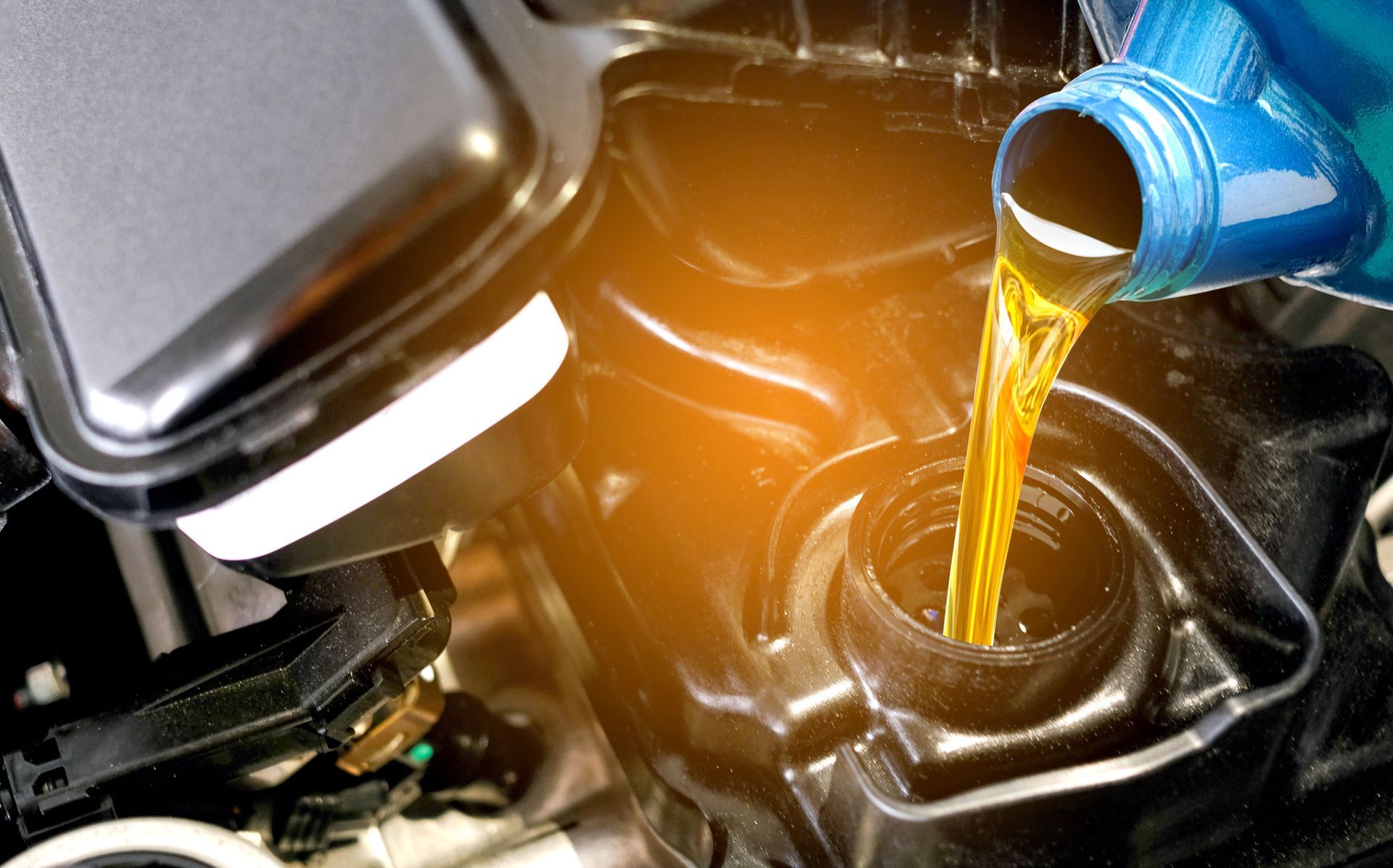
Routine maintenance is the foundation of diesel engine longevity and consistent performance. Oil changes, filter replacements, and fluid checks all contribute to reducing internal wear and preventing contamination buildup. These repairs are often avoided entirely when these maintenance tasks are completed on schedule, as most major failures begin with neglected basics. Regular servicing ensures that lubrication systems remain clean and engine components operate under optimal conditions.
Air, fuel, and oil filters should be inspected frequently to prevent clogging that can restrict flow and reduce efficiency. Cooling system checks are equally important, especially for engines operating under heavy loads or extreme temperatures. During standard service cycles, technicians also inspect belts, hoses, and seals for early signs of degradation. Diesel repairs become significantly less frequent when these small but essential tasks are prioritized consistently. A structured maintenance schedule ultimately reduces downtime and improves long-term vehicle reliability.
Diagnosing Common Issues
Identifying early warning signs is essential for preventing costly breakdowns and extended repair times. Unusual noises, reduced acceleration, and warning lights often indicate developing mechanical or electrical issues. These repairs in diagnostic stages typically involve evaluating fuel delivery systems, air intake efficiency, and sensor performance. Addressing these symptoms early can prevent minor faults from escalating into major engine damage.
Exhaust smoke color is another useful diagnostic indicator, revealing issues such as incomplete combustion or fluid leaks. Black smoke often suggests fuel imbalance, while white or blue smoke may point to coolant or oil-related concerns. Vibrations during operation can also signal alignment problems, worn components, or drivetrain imbalance. Modern diagnostic tools help technicians quickly identify fault codes and isolate system failures. Diesel repairs guided by accurate diagnostics are more efficient, reducing both labor time and unnecessary part replacement.
Improving Engine Efficiency
Engine efficiency plays a direct role in operational cost, fuel consumption, and long-term durability. Clean fuel systems, properly calibrated injectors, and efficient air intake contribute to smoother combustion cycles. These repairs aimed at efficiency often focus on restoring optimal fuel-to-air ratios and eliminating restrictions in the system. Small efficiency improvements can lead to significant savings over time, especially in high-mileage vehicles.
Turbocharger performance also plays a major role in maintaining power output without increasing fuel demand. When functioning correctly, it enhances airflow and improves combustion efficiency under load. Drivers often notice performance drops when filters become clogged or injectors begin to wear.
These repairs in this area help restore balance between power output and fuel consumption. Consistent attention to efficiency not only reduces operating costs but also extends engine lifespan under demanding conditions.
Managing Emissions Compliance
Emission control has become a major focus in modern diesel engine management due to environmental regulations and air quality standards. Systems such as diesel particulate filters (DPF), exhaust gas recirculation (EGR), and catalytic converters work together to reduce harmful emissions. These repairs related to emissions often involve cleaning or replacing these components to maintain compliance and performance. Neglecting emission systems can lead to reduced efficiency and regulatory issues.
According to TruckInfo.net, approximately 13.5 million trucks are registered in the United States, highlighting the scale of diesel-powered transportation and its environmental impact. With such a large number of vehicles in operation, consistent emissions control becomes essential for reducing overall pollution levels. Regular maintenance ensures that emission systems remain functional and do not become clogged or inefficient. Diesel repairs in this category are increasingly important as standards continue to evolve. Proper emissions management supports both environmental responsibility and engine performance stability.
Inspecting Critical Systems
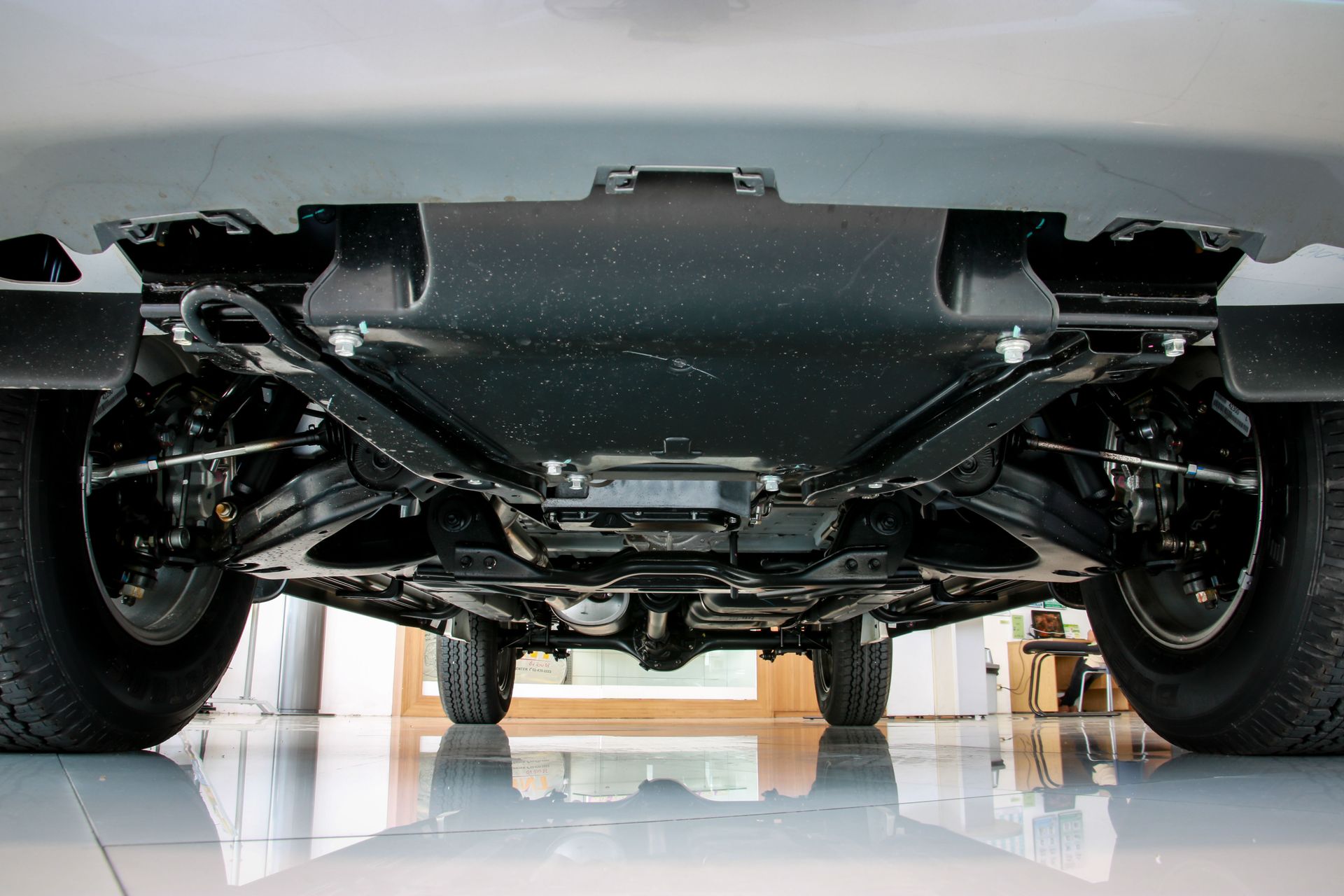
Critical systems such as brakes, tires, suspension, and cooling units play a major role in vehicle safety and operational reliability. Regular inspections help identify wear before it leads to dangerous failures or expensive repairs. These repairs often extend beyond the engine itself, covering these essential safety components to ensure full vehicle integrity. Tire pressure, tread depth, and alignment all contribute to safe handling and fuel efficiency.
Brake systems require consistent attention, including pad wear checks, fluid inspection, and line integrity evaluation. Cooling systems must also be monitored closely to prevent overheating under heavy load conditions. Even small leaks or worn hoses can lead to significant performance issues if ignored. These repairs in this category help maintain safe operation while reducing the risk of unexpected roadside breakdowns. A proactive inspection routine ensures that all systems function together effectively under demanding conditions.
Executing Advanced Repairs
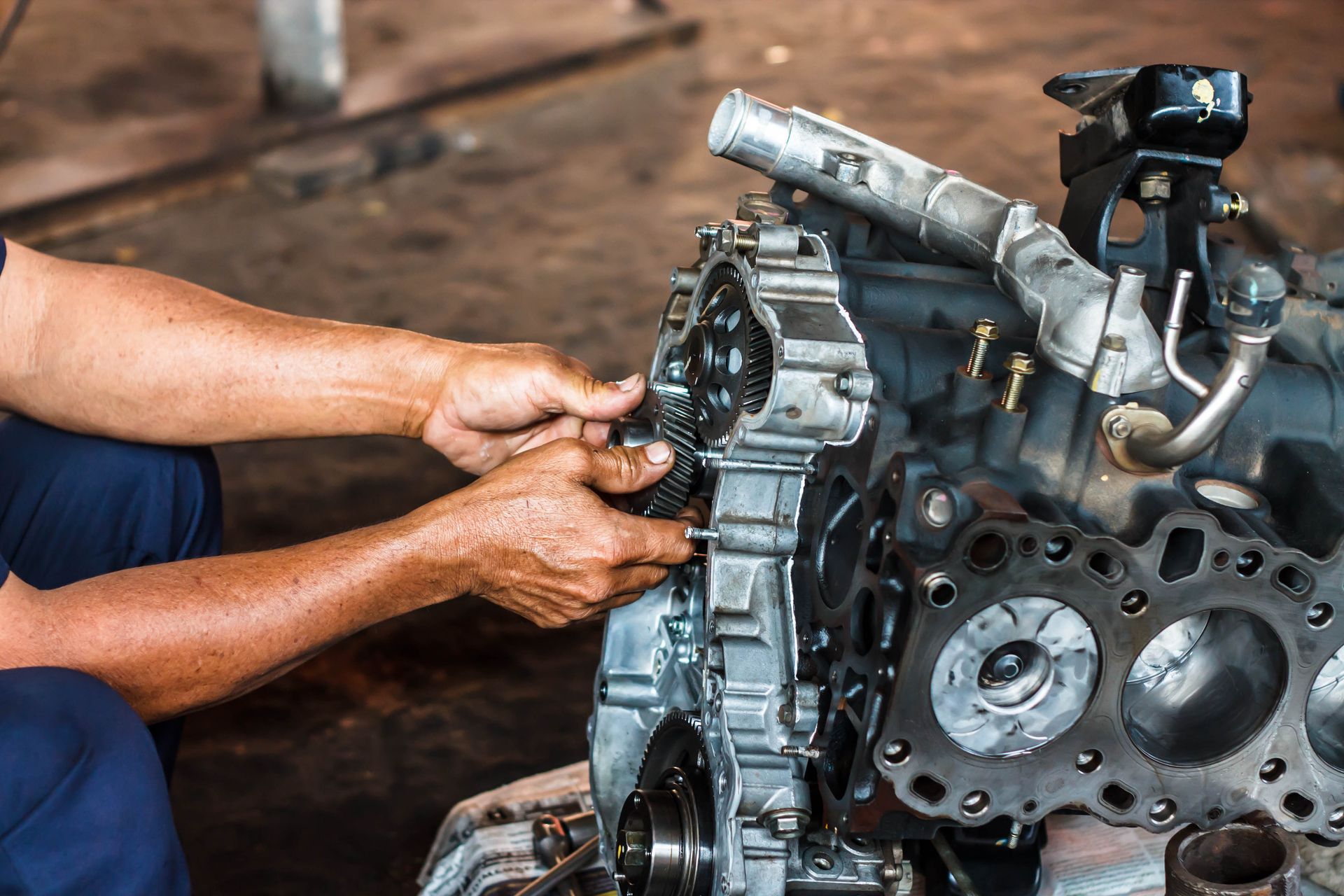
Advanced repairs typically involve deeper mechanical or electronic interventions that go beyond routine maintenance. These may include injector replacement, turbocharger rebuilding, or engine recalibration. Diesel repairs at this level require specialized tools and diagnostic equipment to ensure accuracy and avoid further complications. Precision is critical, as small errors can lead to repeated failures or reduced engine performance.
Technicians often rely on manufacturer specifications to guide torque settings, timing adjustments, and system resets. Electrical diagnostics also play a growing role, especially in modern diesel engines equipped with advanced sensors and control modules. When performed correctly, advanced repairs can significantly extend engine life and restore original performance levels. These repairs in this phase are focused on long-term restoration rather than short-term fixes. Proper execution ensures that the vehicle returns to reliable and efficient operation under all conditions.
Diesel truck maintenance and repair require a balanced approach that combines routine servicing, early diagnostics, efficiency optimization, and system-wide inspections. Each component plays a role in overall performance, and neglecting even small issues can lead to larger mechanical failures over time. Diesel repairs are most effective when approached proactively, focusing on prevention rather than reaction. With consistent care and attention to detail, diesel engines can deliver reliable performance for many years.
For professional-grade service and dependable support, Strokers Plus provides the expertise needed to keep vehicles operating at their best.