
Deciding whether to repair or replace a diesel engine presents a complex challenge for vehicle owners and fleet managers. As diesel engines serve as the powerhouses of many commercial and personal vehicles, making the right decision is critical for ensuring cost-effectiveness, reliability, and operational efficiency. The balance between short-term expenditures and long-term benefits is pivotal, as is the need to assess the role of technological advancements and potential environmental impacts. Given the durability that diesel engines typically offer, this decision often involves weighing numerous factors that extend beyond the immediate mechanical concerns. This article provides a comprehensive framework to assist in evaluating the best course of action when faced with the decision to repair or replace a diesel engine.
Evaluating the Current Condition of the Diesel Engine
Conducting a Thorough Inspection
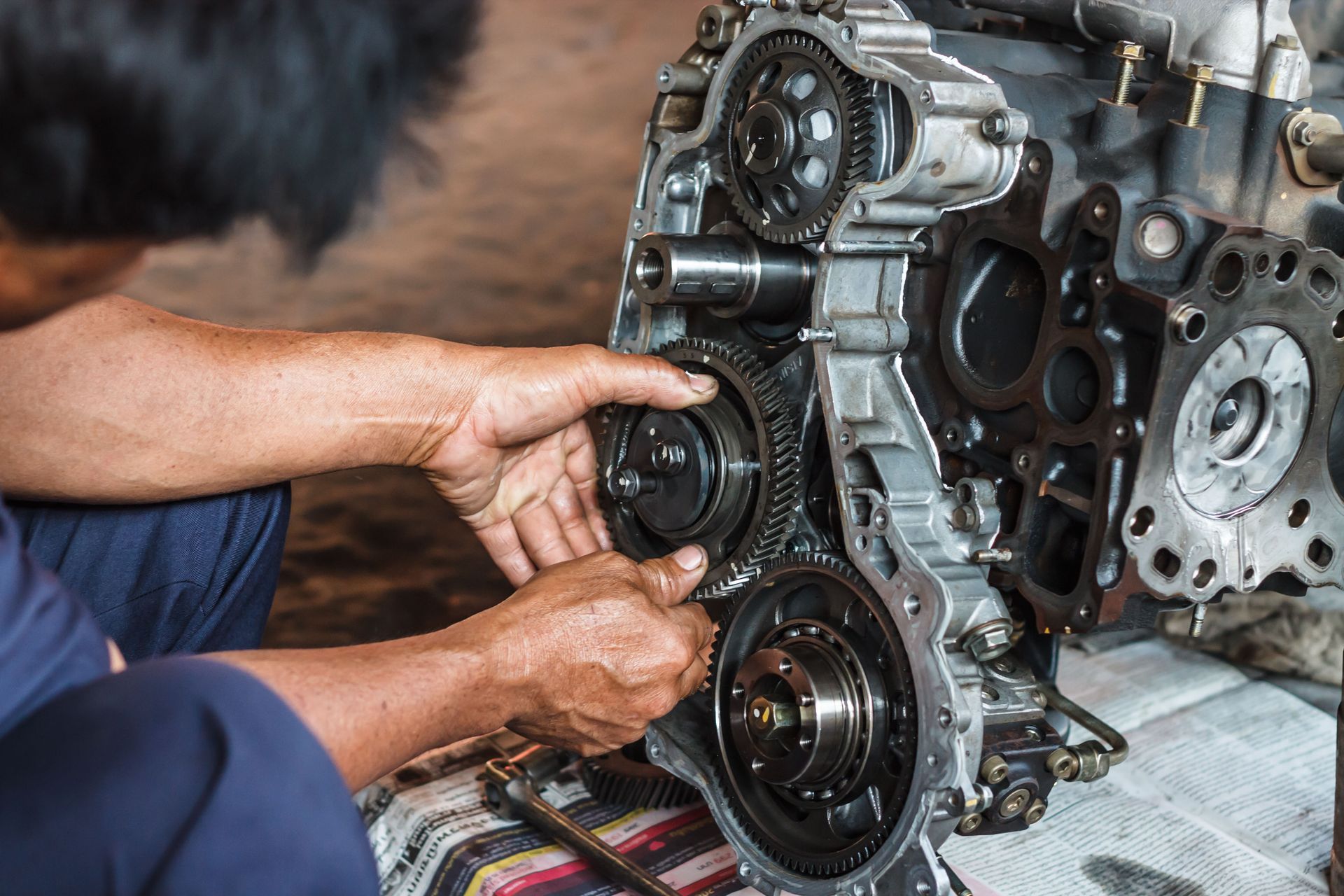
Conducting a thorough inspection of the diesel engine is the first step in evaluating its current condition. This process involves examining all critical components for signs of wear, corrosion, and leakage, which can provide vital insights into the engine's overall health. By employing diagnostic tools, technicians can assess the effectiveness of oil filtration systems, examine coolant levels, and ensure that the fuel system is functioning appropriately. An inspection can also detect initial symptoms of critical issues before they worsen, offering a reliable preventive measure. Expectation management remains crucial; an engine may seem operable but could harbor undetected problems that require further analysis.
Diagnosing Common Engine Issues
A breadth of common engine issues might signal the need for repair or replacement. Problems such as persistent misfires, overheating, and consistent loss of power are typically signs that necessitate technical intervention. Diagnosing these problems can assist in understanding whether they are isolated incidents or indicative of underlying systemic failures. Furthermore, issues with turbochargers or injector systems can affect performance and fuel efficiency, dragging down economic viability. At times, the cost of ongoing small diesel repairs may indicate that a replacement would be more feasible from both a financial and operational standpoint.
Assessing the Engine's Performance Metrics
Evaluating the performance metrics of a diesel engine helps in accurately gauging its condition. Key parameters such as fuel efficiency, power output, and emissions levels should be analyzed to ascertain whether the engine is meeting operational requirements. According to Fuel Economy, diesel vehicles can often go about 20% to 35% farther on a gallon of fuel than their gasoline counterparts, reflecting the critical importance of maintaining optimal performance metrics. Deviations from expected performance may indicate the engine is approaching the end of its useful life or requires significant diesel repairs. Regular metrics assessments can also serve as benchmarks to measure the efficacy of ongoing maintenance activities.
Considering the Engine's Age and Usage History
Age and usage history significantly contribute to decisions to repair or replace a diesel engine. Older engines may have outdated technology, lack efficiency, and become costly to maintain due to scarce parts availability. Understanding the number of operating hours, maintenance logs, and any previous diesel repairs provides valuable context in evaluating longevity. Engines subjected to high-stress conditions, such as constant hauling or excessive idling, likely accumulate wear more rapidly. Thus, corroborating physical condition with historical data helps formulate a comprehensive view of what to expect in future repairs or failures.
Analyzing Costs
Comparing Initial Repair Costs to Replacement Costs
The initial cost differential between repair and replacement options is often the focal point of decision-making. While diesel repairs typically incur lower initial costs, cumulative expenses from ongoing issues can eventually surpass replacement expenditures. Replacement involves substantial upfront investment but promises a new engine's efficiency, reliability, and warranty advantages. It's essential to analyze short-term repair costs against the backdrop of potential recurring problems that may necessitate further, costly repairs. A rigorous financial comparison helps pinpoint which approach emerges as more cost-effective over the long haul.
Considering Long-term Financial Implications of Repair
Even if repairing a diesel engine presents a lower immediate outlay, its long-term financial implications need thorough consideration. Maintenance of older engines often translates into frequent diesel repairs that accumulate high costs over time. Unplanned downtimes resulting from unexpected failures further add to the business's financial burden through lost productivity and potential contract penalties. Weighing the long-term maintenance costs against the benefits of a newer, more efficient engine provides a clear financial outlook. This balance assists fleet managers in steering budget allocations decisively between repair continuity and strategic replacements.
Evaluating Warranties and Guarantees
Evaluating the role of warranties and guarantees provides an additional layer of financial reassurance. New engine replacements often come with comprehensive warranties that cover major repairs over an extended period, mitigating unexpected expenses. In contrast, repairs are typically backed by shorter-term guarantees that might cover individual parts or specific services. The extent and terms of these guarantees should factor into the decision-making process, as they can augment financial predictability. Assessing how warranties align with operational needs and risk management expectations can decisively lean the decision towards replacement.
Factoring in Depreciation and Resale Value
The resale value and depreciation should also be integral to the cost analysis. A newer diesel engine generally retains its value longer and depreciates slower than an older, frequently repaired engine. Keeping tabs on market trends offers insights into potential resale scenarios, granting an opportunity to recuperate some costs at a later stage. A used diesel engine's resale proficiency often depends on efficient functioning, low mileage, and maintenance history. Consequently, depreciation rates can incline the decision balance either towards maintaining a current engine or expediting its replacement.
Considering Time Constraints
Estimating Repair vs. Replacement Timelines
Time considerations play an instrumental role when deciding between repairing and replacing a diesel engine. Repair timelines vary considerably based on the issue's complexity, part availability, and potential modifications required during preventive maintenance. Replacement timelines encompass sourcing a new engine, transportation, installation, and initial testing, resulting in varying downtimes. Accurate timeline estimation helps evaluate the immediate operational impact and guides scheduling decisions to minimize disruptions. Having clear visibility into potential timeframes can impact the choice made between repair versus replacement.
Recognizing Downtime Impact on Business Operations
Downtime associated with repairing or replacing diesel engines can disrupt daily operations and flow of business. Unexpected downtimes primarily impact revenues negatively due to halted activities, missed opportunities, and contractual penalties. The significance of minimizing downtime requires strategic planning, prioritizing low-disruption periods or arranging alternative solutions. Business operations with tight schedules, such as transport or logistics, typically favor consistent engine reliability over frequent repair-induced downtimes. Weighing financial and operational impacts allows businesses to align their repair or replacement strategies with overarching performance objectives.
Planning for Temporary Alternative Solutions
In scenarios where repair or replacement imposes significant downtime, developing temporary solutions becomes critical. Businesses might procure rental engines, lease temporary backup vehicles, or consider part-time operational adjustments to mitigate hindrances. Such strategies involve logistical coordination, including matching equipment to project parameters and budgetary constraints. Accounting for contingency plans within operational strategies ensures the seamless functionality of ongoing projects. Thorough alternative planning aids resourceful transition stages during repair or replacement activities.
Choosing between repair and replacement requires balancing performance, costs, and operational demands. By carefully reviewing condition, expenses, downtime, and long-term value, decision-makers can act with confidence. Strategic diesel repairs or timely replacement protect reliability, control budgets, and support consistent productivity across vehicles and fleets in demanding commercial and personal environments. Contact us at Strokers Plus to get started with our diesel services.