
By Justin Query
September 15, 2026
Commercial haulers, fleet operators, and independent truck drivers rely on heavy-duty vehicles to deliver goods, maintain strict schedule commitments, and support everyday business operations across regional transport routes. When a commercial vehicle experiences mechanical issues, addressing minor warning signs quickly keeps equipment moving safely and effectively. Modern heavy-duty powerplants are intricate pieces of machinery designed to withstand immense pressure, extreme operating heat, and heavy towing loads over extended periods. However, ignoring subtle indicators of mechanical wear can lead to widespread damage across critical powertrain components. Promptly addressing diesel truck engine repairs ensures that small mechanical flaws do not cascade into secondary system failures that disrupt operations and halt business productivity.
Postponing necessary service often creates compounding problems throughout interconnected mechanical systems within heavy commercial rigs. Minor issues, such as a flickering dashboard indicator light, small fluid leaks, or minor loss of pulling power, frequently signal underlying strain within fuel injection, turbocharging, or cooling assemblies. Ignoring these initial symptoms forces surrounding components to compensate for compromised parts, accelerating friction and thermal wear throughout the engine compartment. Timely diagnostic evaluations identify emerging vulnerabilities before internal mechanical stress causes severe disruptions. Understanding the significant risks associated with putting off essential maintenance empowers vehicle owners to make proactive service decisions, preserving operational reliability and protecting valuable commercial assets for long-haul performance.
Preventing Severe Mechanical Component Failures
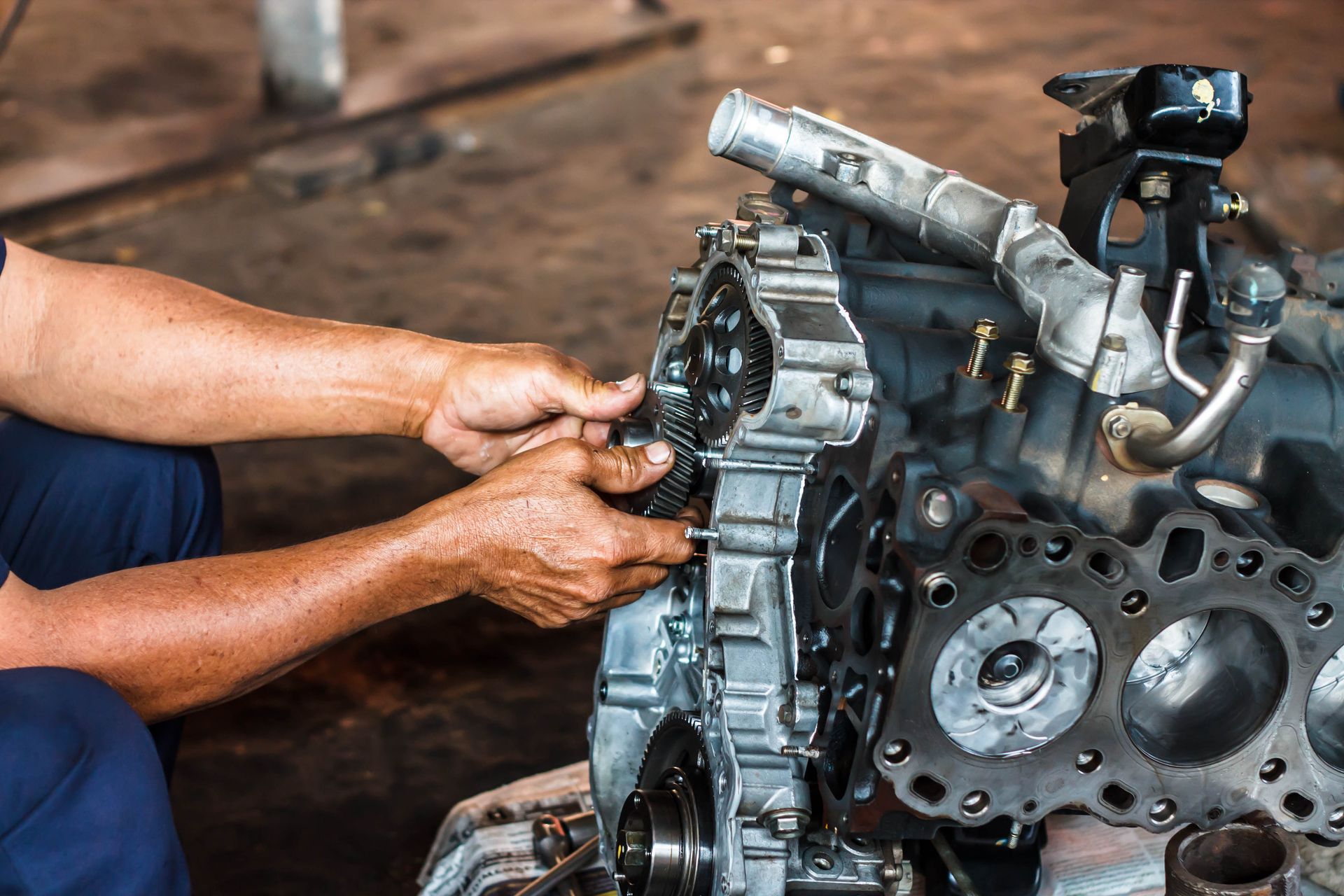
Heavy-duty powertrains consist of tightly integrated sub-systems where a failure in a single component rapidly affects adjacent machinery throughout the engine assembly. For instance, a malfunctioning fuel injector can disrupt proper combustion, leading to unburned fuel entering exhaust channels or washing protective oil away from cylinder walls. When operators delay diesel truck engine repairs, localized issues quickly spread to vital areas like pistons, main bearings, and turbochargers. Proactive intervention stabilizes engine operation, prevents severe component seizure, and stops minor mechanical stress from causing widespread structural damage across the entire engine block.
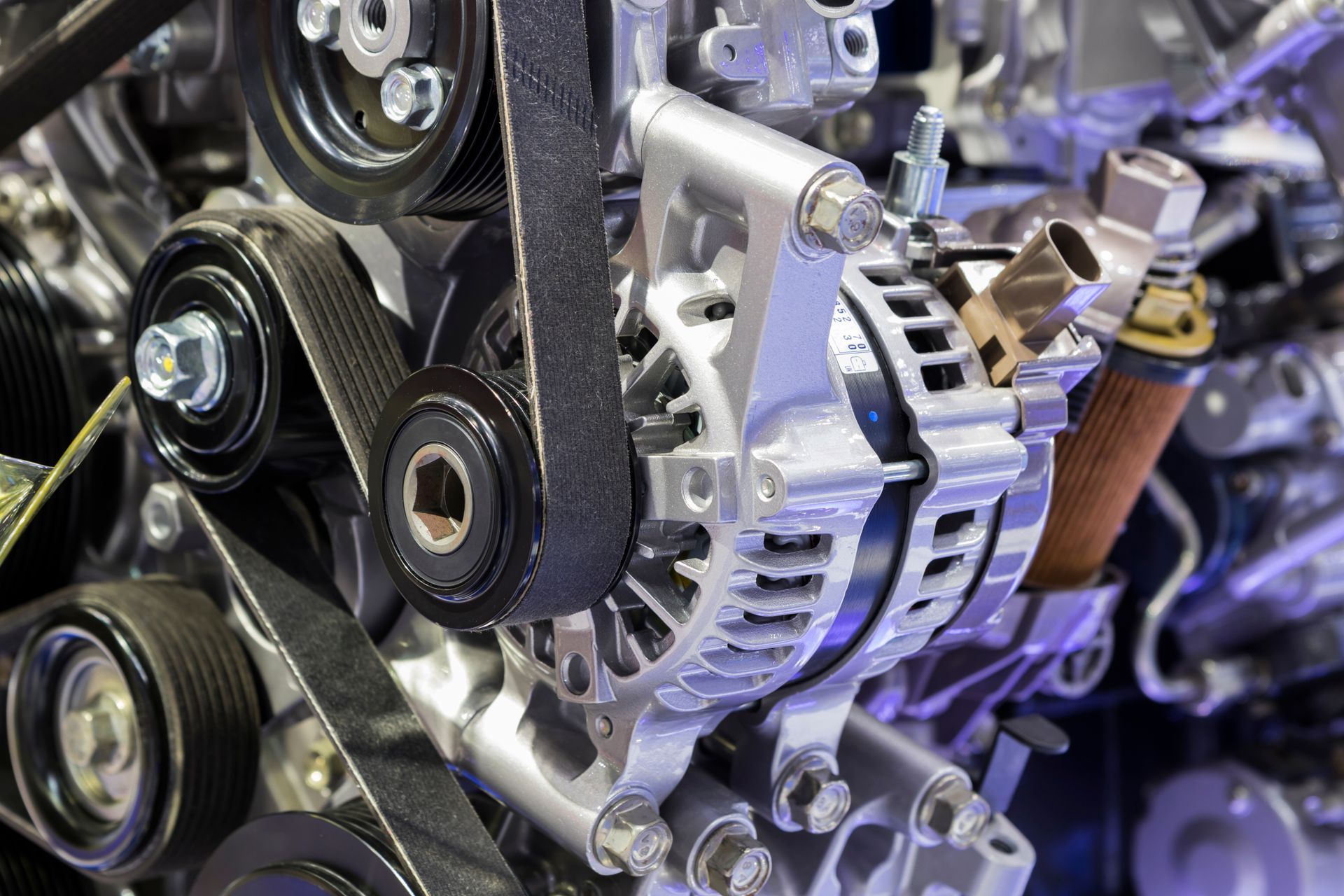
Addressing minor issues early protects high-stress components from excessive wear and tear during long-distance transport missions. Thermal management systems, high-pressure fuel lines, and valve trains operate under extreme environmental stress during daily heavy-duty operation. Replacing a worn belt, fixing a small coolant leak, or servicing a sticking valve prevents localized overheating that causes cylinder head warping or cracked engine blocks. Timely attention protects internal components, ensuring every part operates safely within its intended mechanical limits while maintaining consistent horsepower output across demanding highway routes and heavy hauling routes.
Protecting Overall Fuel Efficiency and Mileage
Operating a commercial vehicle with compromised internal components forces the powerplant to work significantly harder to produce standard horsepower and torque outputs. Clogged fuel filters, failing turbocharger vanes, or leaking head gaskets alter air-to-fuel ratios, leading to incomplete combustion and excessive exhaust smoke during acceleration. Staying on top of diesel truck engine repairs ensures that air intake, fuel delivery, and exhaust recirculation systems remain perfectly synchronized. Maintaining balanced combustion optimizes fuel burn, allowing heavy-duty vehicles to achieve maximum distance per gallon during long-distance hauling across challenging highway terrain.
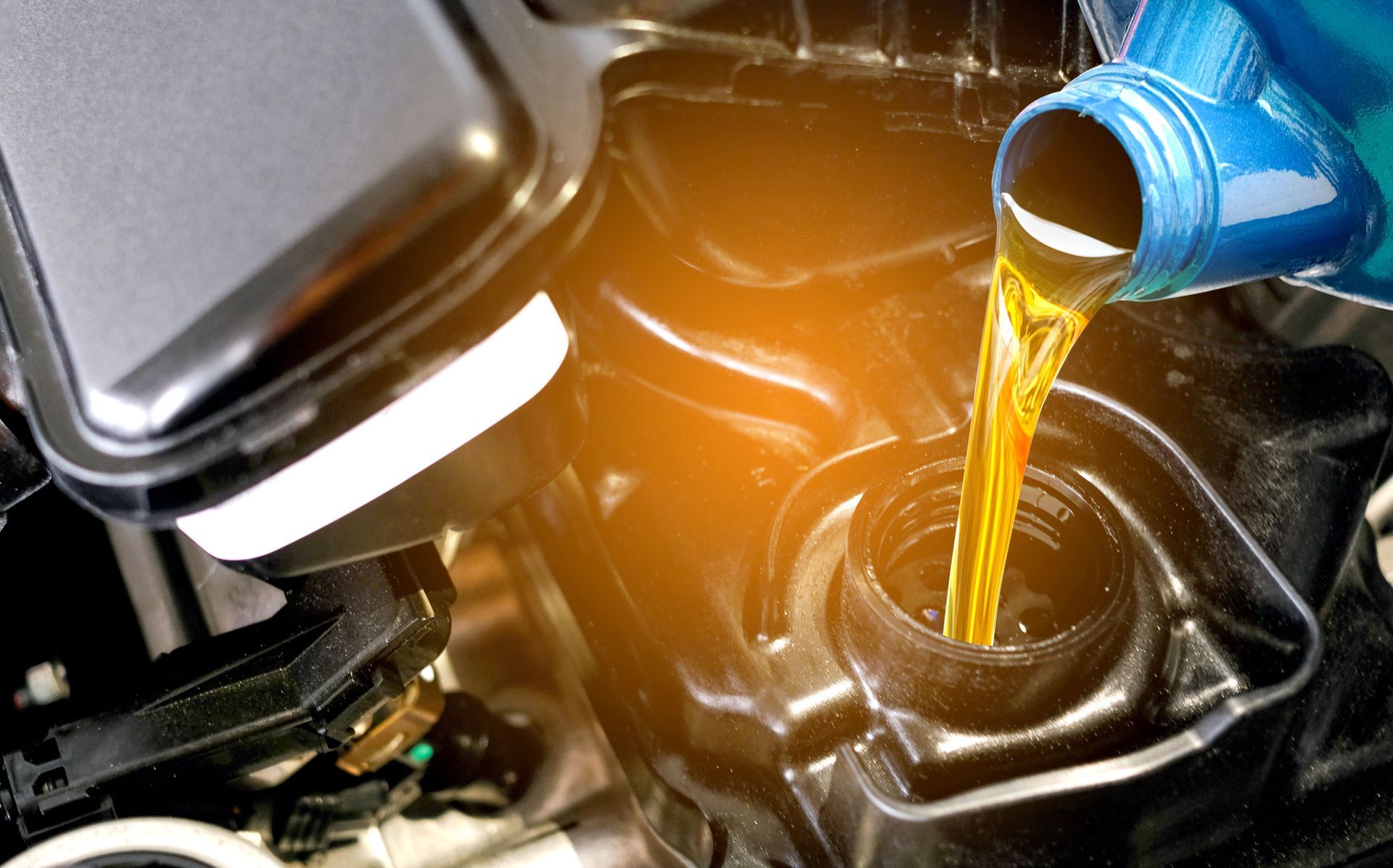
When internal mechanisms suffer from ongoing mechanical drag or improper timing, energy that should power drive wheels is lost as wasted thermal energy. Degraded oil, clogged oil passages, or improper valve clearances create unnecessary internal friction, forcing the engine to consume excessive fuel simply to overcome internal resistance. Resolving fuel delivery and mechanical friction issues returns operating parameters to peak efficiency levels. Keeping every system calibrated minimizes waste, stabilizes operational overhead, and ensures smooth power delivery during demanding towing conditions and heavy payload trips across varied terrain. Timely adjustments prevent excess heat buildup from damaging sensitive internal components. Protecting the combustion cycle ensures that every gallon of fuel delivers maximum pulling power on the open road.
Avoiding Catastrophic Engine System Overhauls
Severe mechanical damage rarely happens instantaneously; rather, it develops gradually over extended operational hours as minor defects go unaddressed. According to WifiTalents, comprehensive diesel engine overhauls generally become necessary around every 750,000 miles. However, neglecting routine maintenance and ignoring minor operational warnings can drastically shorten this operational lifespan, forcing major structural rebuilds much sooner than anticipated. Consistent attention to early mechanical warnings prevents premature structural breakdown and keeps heavy-duty engines running reliably for hundreds of thousands of miles without requiring total teardowns.
Catastrophic failures, such as thrown connecting rods, seized pistons, or cracked crankshafts, usually stem from long-term lubrication failure, overheating, or unaddressed mechanical play within internal assemblies. By scheduling timely diesel truck engine repairs as soon as initial signs of abnormal knocking, low oil pressure, or blue exhaust smoke appear, vehicle owners prevent destructive mechanical events. Preventing catastrophic failures protects core engine castings, allowing components to complete their full intended service cycles without suffering irreversible structural destruction or unexpected roadside breakdowns during critical transport operations.
Extending the Total Operational Vehicle Lifespan
Heavy-duty commercial vehicles represent substantial capital investments that are intended to serve businesses across many years of rigorous operation. The long-term physical longevity of a heavy commercial vehicle depends heavily on the health and stability of its central powerplant. Promptly executing diesel truck engine repairs protects internal structural components from premature fatigue, corrosion, and friction damage. Keeping internal mechanisms clean, properly lubricated, and precisely aligned ensures that commercial vehicles achieve maximum operational mileage over their active service lives while maintaining overall fleet value.
A well-maintained powerplant also reduces wear across secondary vehicle assemblies, including transmission gearboxes, cooling radiators, and drive axles. When an engine operates smoothly without severe vibration, rough idling, or surging power output, connected driveline components experience less rotational shock and mechanical stress. Preserving central powertrain health ensures that the entire vehicle remains structurally sound, highly functional, and ready to meet demanding daily operational requirements without suffering premature structural deterioration over years of heavy use across tough routes.
Maintaining Peak Heavy-Duty Performance Levels
Commercial transport demands consistent power, high torque output, and dependable performance under heavy payload conditions on demanding highway routes. An engine suffering from minor compression loss, turbocharger lag, or sensor malfunctions struggles when navigating steep inclines or pulling heavy cargo trailers. Investing in timely diesel truck engine repairs restores vital horsepower and torque curves, allowing commercial vehicles to pull heavy loads efficiently and maintain steady highway speeds. Dependable pulling power improves driver safety and ensures that delivery schedules remain on track across busy logistics networks.
Optimal vehicle performance also enhances driver comfort and operational safety on the road during extended transport journeys. A smooth-running engine generates predictable acceleration, responsive engine braking support, and reduced cabin noise and vibration, reducing driver fatigue during long trips. Resolving mechanical issues promptly restores factory responsiveness and operational dependability, ensuring that heavy-duty vehicles handle challenging driving conditions with complete stability and security across every route. Proactive care maintains structural stability, preserves mechanical harmony, and supports uninterrupted productivity throughout the entire service life of your fleet.
Proactive mechanical care is essential for maintaining the strength, efficiency, and longevity of heavy-duty commercial vehicles. Addressing minor operational issues before they escalate protects critical internal components, preserves optimal fuel economy, and prevents severe mechanical breakdowns on the road. By giving immediate attention to early warning signs, vehicle owners safeguard their valuable equipment and ensure dependable performance for every journey ahead. If you are ready for comprehensive diesel truck engine repairs and professional service, contact us at Strokers Plus today. We will help you keep your commercial vehicles performing at their best.